

Cosmetic Dentistry for Gum Recession at Our Boardman Dental Office
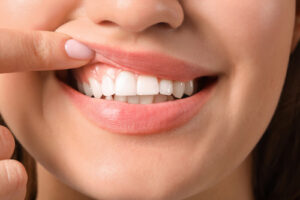 Gum recession is more than just a cosmetic concern—it can impact your overall oral health and comfort. If you live in Boardman, OH, or nearby areas like Canfield, Poland, or Youngstown, understanding gum recession and how to treat it is essential. At Perrott Dentistry, our Boardman dentist, Dr. Robert Perrott and his team are dedicated to helping you maintain healthy gums and a confident smile through personalized care and effective treatments.
Whether you’re noticing sensitivity or changes in your gum line, early intervention can make all the difference. If you’re experiencing receding gums, contact our Boardman dental office by calling (330) 726-0090.
Why Boardman Patients Choose Us for Cosmetic Dental Treatment
At Perrott Dentistry, we understand that a beautiful smile can boost your confidence and improve your quality of life. Patients in Boardman, OH, choose us for cosmetic dental treatments because of our commitment to personalized care, advanced technology, and exceptional results. Dr. Robert Perrott combines his expertise with a gentle approach to ensure your comfort throughout every procedure.
Our cosmetic services are tailored to meet your unique needs, whether you want to brighten your smile with professional teeth whitening, correct imperfections with veneers, or replace missing teeth with natural-looking restorations. We prioritize patient education and transparency, helping you make informed decisions about your smile enhancement options.
Choosing Perrott Dentistry means choosing a team dedicated to excellence, using the latest techniques and materials to deliver lasting, beautiful results. We are proud to serve Boardman and surrounding communities, providing cosmetic dental care that transforms smiles and lives.

What Causes Gum Recession?
Gum recession can be attributed to various factors that affect the health of your gums. Recognizing these causes is essential for prevention and treatment. Here are the primary contributors to gum recession:
- Periodontal Disease – This bacterial infection leads to inflammation and damage to gum tissue, often resulting in gum recession if left untreated.
- Genetics – Some individuals may have a hereditary predisposition to gum issues, making them more susceptible to recession.
- Poor Oral Hygiene – Inadequate brushing and flossing can lead to plaque buildup, which contributes to gum disease and recession.
- Aggressive Brushing – Using a hard-bristled toothbrush or brushing too forcefully can wear down gum tissue, accelerating recession.
- Tobacco Use – Smoking or using other tobacco products can impair gum health and increase the risk of gum recession.
- Hormonal Changes – Fluctuations during pregnancy or menopause can make gums more sensitive and prone to recession.
- Teeth Grinding (Bruxism) – Excessive grinding or clenching can put pressure on gums, leading to recession over time.
- Misaligned Teeth – Crooked or misaligned teeth can create uneven pressure on gums, contributing to recession.
Recognizing Symptoms of Gum Recession
Identifying the symptoms of gum recession early can help you take proactive steps to protect your oral health. Here are the primary signs to look for that indicate your gums may be receding:
- Increased Tooth Sensitivity – You may experience heightened sensitivity to hot, cold, or sweet foods due to exposed tooth roots, which lack protective enamel.
- Gums Pulling Away from Teeth – If your gums appear to be receding or pulling away from your teeth, this is a clear sign of gum recession that requires attention.
- Longer-Looking Teeth – As gums recede, your teeth may appear longer than usual, indicating that more of the tooth or its root is becoming visible.
- Loose Teeth – Gum recession can lead to a loss of support for your teeth, making them feel loose or unstable, which is a serious concern.
- Changes in Bite – You might notice alterations in how your teeth fit together when you bite, which can be a result of shifting gum tissue.
Early detection is key to managing gum recession. Watch for signs like increased tooth sensitivity to hot or cold, gums that look like they’re pulling away from your teeth, or teeth that appear longer than usual. You might also notice your teeth feeling loose or changes in your bite.
How Is Gum Recession Diagnosed by Our Boardman Dentist?
At Perrott Dentistry, Dr. Robert Perrott will examine your gums and teeth carefully. Using specialized tools, he measures the depth of gum pockets to assess how much gum tissue has been lost. X-rays may also be taken to check the bone supporting your teeth. This thorough evaluation helps determine the best treatment plan for you.
Treatments for Gum Recession
Understanding the most effective treatments for gum recession is crucial for maintaining your oral health. Here are the primary treatment options available to address gum recession and promote healing:
- Periodontal Therapy – This non-surgical treatment involves deep cleaning to remove plaque and tartar below the gum line, reducing inflammation and promoting gum healing.
- Scaling and Root Planing – A specific type of periodontal therapy that smooths the roots of your teeth, preventing bacteria from reattaching and helping to stop gum recession progression.
- Gingival Graft (Gum Graft) – A surgical procedure where tissue is taken from another part of your mouth or a donor source to cover exposed tooth roots, improving appearance and protecting against sensitivity.
- Antimicrobial Treatments – These treatments help reduce bacteria in the mouth, supporting gum health and preventing further recession.
- Regular Dental Check-ups – Routine visits to your dentist ensure early detection of gum issues, allowing for timely intervention and personalized care plans.
- Oral Hygiene Education – Learning proper brushing and flossing techniques can prevent further gum recession and maintain overall gum health.
How Can You Prevent Gum Recession and Maintain Healthy Gums?
Prevention is always better than treatment. Taking good care of your gums at home and visiting your dentist regularly can keep gum recession at bay.
Here are some simple steps you can take every day to protect your gums:
- Practice Gentle Oral Hygiene: Use a soft-bristled toothbrush and brush your teeth twice daily with fluoride toothpaste, avoiding aggressive scrubbing.
- Floss Daily: Flossing removes plaque and food particles from between your teeth and along the gum line where your toothbrush can’t reach.
- Use an Antimicrobial Mouthwash: This helps reduce bacteria and plaque buildup, supporting healthy gums.
Frequently Asked Questions
Can gum recession be reversed?
While mild gum recession can sometimes be managed and its progression slowed with proper care, lost gum tissue usually cannot grow back on its own. Treatments like gum grafts can restore tissue in more severe cases.
Is gum recession painful?
Gum recession itself may not be painful, but exposed tooth roots can cause sensitivity or discomfort, especially when eating hot, cold, or sweet foods.
How often should I visit the dentist to prevent gum recession?
Visiting your dentist every six months for check-ups and cleanings is generally recommended to maintain gum health and catch any early signs of recession.
Can aggressive brushing cause gum recession?
Yes, brushing too hard or using a hard-bristled toothbrush can wear down your gums and contribute to recession. Using a soft-bristled brush and gentle technique is best.
Take Charge of Your Gum Health with Perrott Dentistry
Gum recession is a common but manageable condition that requires attention and care. By understanding its causes, recognizing symptoms early, and seeking effective treatment, you can protect your smile and oral health. At Perrott Dentistry in Boardman, OH, Dr. Robert Perrott and his team are committed to providing compassionate care tailored to your needs.
Serving Boardman and surrounding areas like Canfield, Poland, and Youngstown, we invite you to take the first step toward healthier gums today. Schedule your appointment with the best dentist in Boardman by calling (330) 726-0090 and let us help you maintain a vibrant, confident smile for life.